Low desire and flat energy are symptoms, not a personality trait. We test properly, explain the numbers in plain language, and treat the cause rather than the complaint.
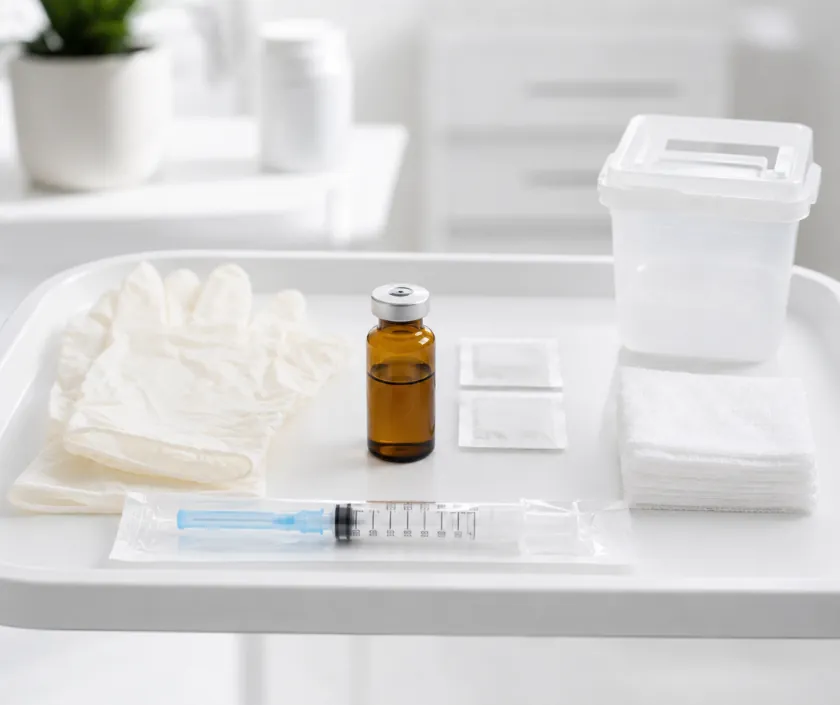
Most men who come to us about low libido have already been told to reduce stress and get more sleep. Sometimes that is genuinely the answer. Often it is not, and the real cause shows up clearly on a blood test that nobody has ordered yet.
Testosterone is only part of the picture. Thyroid function, prolactin, blood sugar, vitamin D, iron studies, sleep quality and medication side effects all influence desire and energy, and any one of them can be the culprit.
Our approach is simple. Test broadly before treating anything, explain what the numbers actually mean, then build a plan you can follow. If your hormones are normal, we say so and look elsewhere rather than prescribing something you do not need.
One symptom on its own means little. Several together, especially if they arrived gradually over months, are worth investigating.
Desire sits at the meeting point of hormones, circulation, sleep, mood and relationship context. We look at all of them.
A full history covering symptoms, sleep, medication, training, alcohol and stress. This conversation usually points to the likely cause before a single test is run.
A morning sample for a broad hormone and metabolic panel. Results are generally back within twenty four to forty eight hours.
We go through your actual numbers with you, explain what is normal and what is not, and set out the options honestly, including the option of doing nothing.
Whether that is treating an underlying condition, hormone therapy, a lifestyle programme or a combination. Fertility plans are settled before anything begins.
Repeat bloods and an honest conversation about what has changed. Doses and the plan are adjusted based on results rather than assumptions.
A fuller reassessment. If the plan is working we set a long term monitoring schedule. If it is not, we change direction rather than waiting longer.
Hormonal treatment is not a switch. Energy and mood usually shift first, often within three to four weeks. Libido tends to follow between weeks six and twelve. Body composition changes are the slowest, and need training and nutrition alongside any medication.
We recheck bloods at six and twelve weeks and adjust from there. If a treatment is not working by twelve weeks, we change the plan rather than asking you to be patient indefinitely.
The first stage is a consultation and a blood panel, and that is the only cost until results are back. Treatment cost then depends entirely on what the results show. Many men need lifestyle correction and treatment of an underlying condition rather than hormone therapy, which costs considerably less. You are told the full figure before anything is started.
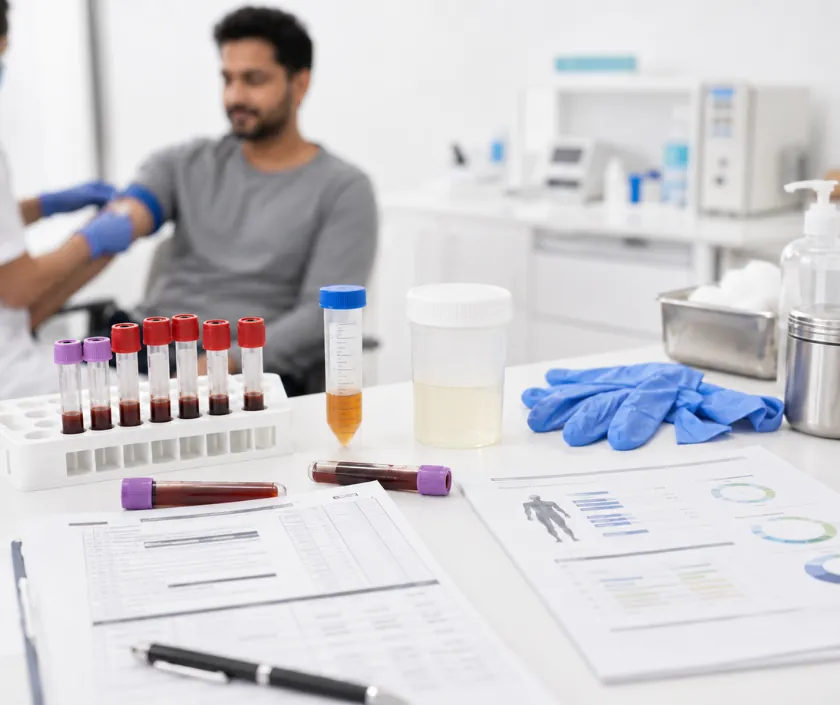
Treatment follows the test results, never the other way round. Most men need a combination rather than a single intervention.
Morning testosterone, thyroid, prolactin, blood sugar, vitamin D and a full blood count. Nothing is prescribed until we can see what is actually happening, and a low reading is always confirmed on a second sample.
Ask about thisCorrecting thyroid function, controlling blood sugar, treating sleep apnoea or changing a medication that is suppressing desire. For a large share of men this alone restores libido without any hormone therapy.
Ask about thisFor men with confirmed, repeatedly low testosterone and matching symptoms. Delivered as injections or gel, with blood count, prostate markers and hormone levels monitored at set intervals throughout.
Ask about thisMedications that stimulate your own testosterone production rather than replacing it, preserving sperm count. The preferred approach for younger men and anyone who may want children in future.
Ask about thisStructured work on sleep, resistance training, nutrition, alcohol and stress. Unglamorous, and consistently one of the most effective levers on testosterone and desire that we have.
Ask about thisWhere anxiety, low mood or relationship difficulty is driving the loss of desire, counselling is offered alongside medical treatment. Couples are welcome to attend together if that would help.
Ask about thisHonest answers about this procedure in Surat.
Ask a QuestionNo, and assuming it does leads to a lot of unnecessary treatment. Thyroid problems, raised prolactin, poor sleep, medication side effects, depression and blood sugar problems all reduce desire while testosterone reads perfectly normal. That is exactly why the first step is a broad blood panel rather than a prescription.
Typically total and free testosterone taken in the morning, thyroid function, prolactin, fasting blood sugar and HbA1c, vitamin D, a full blood count and a lipid profile. Further tests such as LH, FSH and a sleep study are added when the initial results or your symptoms point that way.
Testosterone follows a daily rhythm and peaks in the early morning, so an afternoon sample can read low in a man whose levels are entirely normal. Samples are taken between seven and ten in the morning, and a low result is always confirmed on a second, separate morning sample before any treatment starts.
It is safe when it is genuinely indicated and properly monitored. Blood count, prostate markers and hormone levels are checked before starting and at regular intervals afterwards. It is not appropriate for everyone, and it is never started on the basis of symptoms alone without confirmed low readings.
Yes, and this matters. External testosterone suppresses the body's own production and can significantly reduce sperm count. If you may want children in future, this is discussed before anything begins, and alternative treatments that raise your own testosterone without suppressing fertility are usually the better route.
Energy, sleep and mood often improve within three to four weeks. Libido and spontaneous erections generally follow between weeks six and twelve. Changes in muscle and body fat are slower still and depend on training and nutrition as much as on any medication.
Very often, yes. Correcting poor sleep, treating sleep apnoea, changing a medication that is causing the problem, addressing blood sugar, reducing alcohol and treating depression can restore desire entirely. Hormone therapy is one option among several, not the default starting point.
The first consultation and blood test are best done in person, but follow up reviews and results discussions can be handled online. Many patients from outside the city attend once at the start and manage the rest of the programme remotely with local blood tests.

A single morning that covers heart, metabolism, liver, kidneys, hormones and the screening appropriate to your…
View details
A medical programme rather than a diet. We test what is actually driving the weight, protect…
View details
The gradual decline men experience from midlife is real, but it is not the only explanation…
View details
Prescribed only when two morning blood samples confirm genuinely low levels and your symptoms fit. Monitored…
View detailsSpeak with Dr. Ashutosh Shah at Elegance Clinic, Surat.