Prescribed only when two morning blood samples confirm genuinely low levels and your symptoms fit. Monitored properly afterwards, with your fertility plans settled before anything begins.

Testosterone replacement changes lives when it is genuinely needed. It is also handed out far too readily, on the basis of a single afternoon blood test or a symptom questionnaire, to men whose levels were never low in the first place. Both of those are avoidable.
Diagnosis requires two separate samples taken between seven and ten in the morning, both showing low levels, alongside symptoms that fit the picture. It also requires looking for a cause, because obesity, sleep apnoea, thyroid disease, opioid medication and pituitary problems all lower testosterone and several of them are reversible.
Dr. Ashutosh Shah discusses fertility before writing a prescription, not after. At Elegance Clinic every man on therapy has a fixed monitoring schedule, because this is a treatment that needs watching for as long as it continues.
Symptoms alone never confirm the diagnosis, but a cluster of these alongside low blood levels makes treatment worth considering.
Establishing the cause matters because several of them are reversible, and treating the cause is better medicine than replacing the hormone.
A full history covering symptoms, sleep, medication, alcohol, training, previous steroid use and fertility plans. Examination includes blood pressure, weight, waist measurement and a testicular examination.
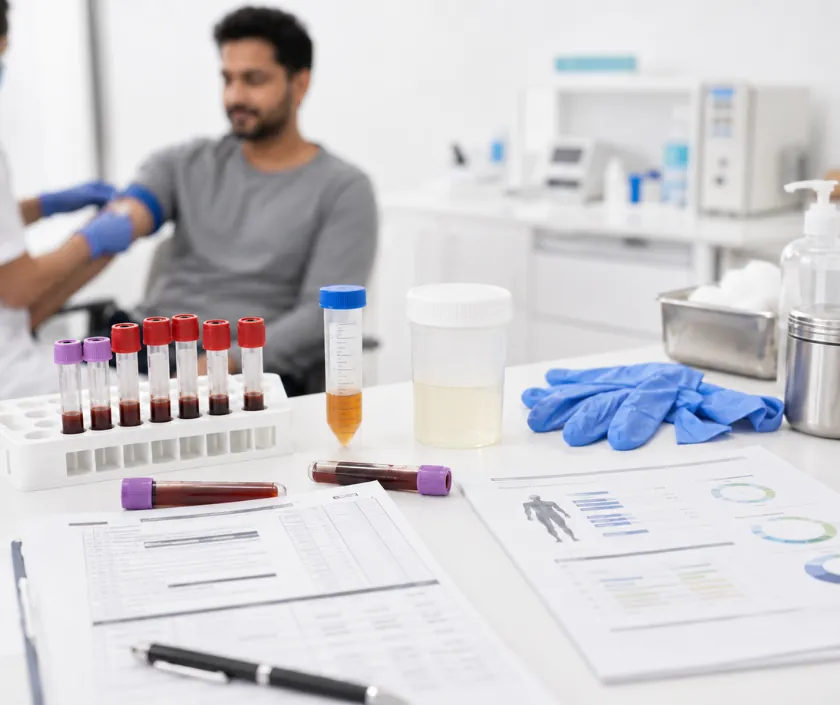
A sample between seven and ten in the morning, repeated on a separate day if the first is low. Pituitary hormones, prolactin, thyroid function, blood sugar, blood count, prostate marker and lipids are checked at the same time.
Your actual numbers are shown and explained, along with what caused them. Options are set out honestly, including treating a reversible cause first and the option of doing nothing at all.
The preparation is chosen with you, injection technique is taught where relevant, and a written monitoring schedule is issued so you know exactly when the next blood test is due.
Repeat testosterone level and blood count, blood pressure and a frank conversation about what has changed. Doses are adjusted against results, not against how the last few days happened to feel.
A full panel at three months, then every six to twelve months. If there has been no meaningful benefit by six months at well controlled levels, treatment is stopped rather than continued out of habit.
Different symptoms respond at different speeds, and knowing the order prevents unnecessary disappointment. Sexual desire and morning erections often improve within three to six weeks. Mood, motivation and mental clarity usually follow in the same window.
Energy and exercise tolerance build over the first three months. Changes in muscle mass and body fat are the slowest of all, take six months or more, and only happen alongside resistance training and adequate protein.
Bloods are rechecked at six weeks and three months, then at six to twelve month intervals. If there has been no meaningful benefit by six months on well controlled levels, we stop rather than continuing indefinitely.
The first stage is a consultation and a morning blood panel, repeated on a second day to confirm any low reading, and that is the only cost until the diagnosis is settled. Ongoing cost then depends on the preparation chosen, since long acting injections given every few months work out differently from short acting injections or a daily gel, and on the monitoring bloods needed at each review. Where a reversible cause is found and treated instead, the total cost is usually lower. You are told the full figure, including monitoring, before treatment begins.
There is no universally best preparation. The right one depends on your routine, your fertility plans and how your levels behave on monitoring.
Two morning samples for total and free testosterone, plus luteinising hormone, follicle stimulating hormone, prolactin, thyroid function and blood sugar. These separate a testicular cause from a pituitary one, which changes both the treatment and the investigations that follow.
Ask about thisWeight loss, treatment of sleep apnoea, control of diabetes, reducing opioid medication or correcting thyroid function can restore your own production. This route takes longer than a prescription but avoids lifelong therapy and preserves fertility completely.
Ask about thisTestosterone enanthate or cypionate given every one to two weeks, usually self administered once you have been taught. Levels are easy to adjust, though some men notice a dip in the day or two before the next dose is due.
Ask about thisTestosterone undecanoate given roughly every ten to fourteen weeks in clinic, producing steadier levels with far fewer injections. The trade off is that if a side effect appears, the dose cannot be withdrawn quickly, so it suits men already established on therapy.
Ask about thisApplied daily to the shoulders or upper arms. It avoids injections and gives level daily dosing, but it must be applied consistently, absorbed before dressing, and kept away from skin contact with women and children in the household.
Ask about thisClomiphene or human chorionic gonadotropin stimulate your own testicular production rather than replacing it, so sperm production is maintained. The preferred route for younger men and anyone who may want children, and often effective enough that replacement is never needed.
Ask about thisHonest answers about this procedure in Surat.
Ask a QuestionBy two separate blood samples taken between seven and ten in the morning, both showing consistently low levels, together with symptoms that fit. A single low reading is never enough, because levels vary through the day and drop during any illness. Further tests then look for a cause before treatment is offered.
Injections give reliable levels and are the most widely used, either short acting every one to two weeks or long acting every ten to fourteen weeks. Gels avoid needles but must be applied daily and can transfer to others through skin contact. The right choice depends on your routine and your preference.
Often it is, when the testicles are not producing enough hormone and never will. Where the cause is reversible, such as obesity, sleep apnoea, opioid medication or a thyroid problem, treating that can restore your own production and the therapy can be withdrawn. Establishing which situation applies to you matters early.
Current evidence does not show that therapy causes prostate cancer, but it can accelerate a cancer that is already present and undetected. That is why a prostate examination and a blood marker are checked before starting and monitored throughout. Men with known or suspected prostate cancer are not offered this treatment.
Blood count, testosterone level, prostate marker and a lipid profile before starting, then at roughly six weeks, three months, and every six to twelve months thereafter. A rising red cell count is the commonest reason to reduce a dose. Blood pressure, weight and symptoms are reviewed at every visit as well.
Yes, and this needs saying before you start. External testosterone suppresses the signals that drive sperm production, and counts can fall substantially, sometimes to zero. If children may be part of your plans, say so early. Medications that stimulate your own production instead are available and preserve fertility while still improving symptoms.
You can stop, but symptoms usually return over several weeks as levels fall back, and your own production takes time to recover after being suppressed. Stopping abruptly often leaves men feeling worse than before they started. If you want to come off, it should be planned and monitored rather than sudden.
No. Replacement restores a normal physiological level in a man who is genuinely deficient, using modest doses with regular blood monitoring. Performance use involves far higher doses, often several compounds together, and carries a completely different and much greater risk profile. Requests for that kind of dosing are declined.

A single morning that covers heart, metabolism, liver, kidneys, hormones and the screening appropriate to your…
View details
A medical programme rather than a diet. We test what is actually driving the weight, protect…
View details
The gradual decline men experience from midlife is real, but it is not the only explanation…
View detailsSpeak with Dr. Ashutosh Shah at Elegance Clinic, Surat.