Cutting and sealing happen together, so bleeding is reduced and the surgeon keeps full control over how much skin is removed. Here is what the technique really involves, without the marketing.
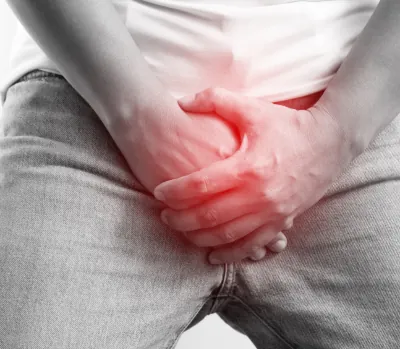
Almost every clinic in India advertising laser circumcision is using fine tipped electrocautery, sometimes called diathermy, rather than a true surgical laser. We would rather tell you that at the start than let you assume something different. The technique is genuinely good, and it does not need overselling.
What the method does well is cut and seal small blood vessels at the same moment. That means noticeably less bleeding during surgery, a cleaner field for the surgeon to work in, and often a shorter procedure than the traditional scalpel and suture approach.
Unlike a stapler, the surgeon still decides exactly how much skin comes off and where the final scar line will sit. Dr. Ashutosh Shah marks that line with you before any anaesthesia is given, which is the single decision that most affects how the result looks a year later.
Some reasons are medical and some are personal. Both are entirely valid, and neither needs justifying to anyone.
The cause changes the plan. Some of these need surgery, some need a cream for six weeks, and telling them apart is the point of the consultation.
A confidential examination and a frank discussion of your symptoms, your expectations and whether surgery is genuinely the right answer. A number of men are treated with a cream instead.
Routine bloods and blood sugar where indicated, a decision on technique and anaesthesia, and agreement on how the result should look. A single all inclusive quote is given at this point.
On the day, the skin is marked together before any anaesthesia is given so that you can see and agree where the scar line will sit. Local or spinal anaesthesia follows.
Cutting and sealing take twenty to thirty minutes, the edge is closed with fine dissolving sutures, and a light dressing is applied. You are observed for an hour or two afterwards.
Same day discharge with pain relief, an antibiotic where indicated, written aftercare instructions and a direct contact number for the first two weeks.
A wound check in the first week and a final review at four to six weeks to confirm healing and clear you for sexual activity and unrestricted exercise.
Because the vessels are sealed as the cut is made, bruising and oozing are usually less than with a plain scalpel technique. Expect swelling and a dull ache for the first two or three days, well controlled with ordinary painkillers.
Keep the area dry for forty eight hours, wear supportive cotton underwear, and avoid cycling, two wheeler riding and gym work for the first two weeks. The dissolving sutures disappear on their own between the second and fourth week, so there is no stitch removal appointment.
Sexual activity restarts at four to six weeks once the scar line is no longer tender. The scar itself keeps fading and softening for months, so judge the final look at six months rather than six weeks.
The figure depends on the anaesthesia used, the degree of scarring or inflammation present, whether a frenuloplasty or other correction is done at the same time, and whether this is a revision of earlier surgery. Laser assisted circumcision usually costs a little more than the traditional open method and a little less than a device based procedure. You are given one all inclusive figure after examination, covering surgeon, theatre, anaesthesia, consumables, dressings and all follow up visits.
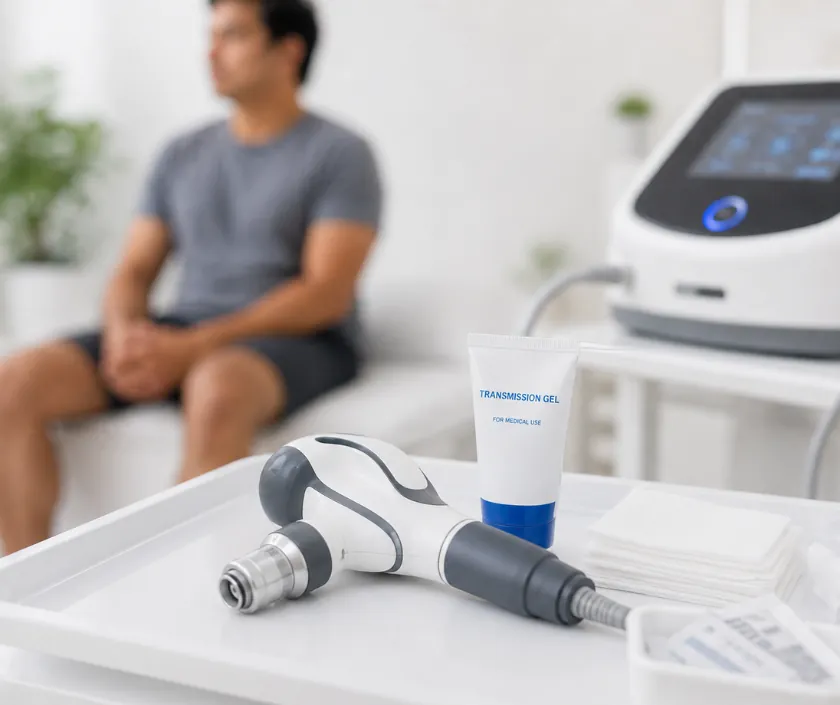
No single technique wins on every measure. We match the method to your anatomy, your budget and how quickly you need to be back at work.
Fine tipped electrocautery cuts and seals simultaneously, reducing bleeding while leaving the surgeon in full control of the amount of skin removed. Fine dissolving sutures close the edge. Suits most straightforward adult cases very well.
Ask about thisA scalpel removes the foreskin and the edge is hand sutured. It handles anything, including dense scarring, lichen sclerosus and revision work, and it remains the most economical option. Slightly more oozing during the procedure itself.
Ask about thisA disposable device cuts and seals in one action in ten to fifteen minutes. Excellent for healthy, typically sized foreskin. Less suitable where anatomy is unusual, because the fixed device size decides much of how much skin is removed.
Ask about thisA short frenulum that pulls tight or tears during erection is released in the same sitting. It adds only a few minutes of theatre time and avoids returning for a second procedure months later.
Ask about thisWhere the skin is pale, thickened and rigid, circumcision is usually curative but the tissue needs sending for examination and the glans and urinary opening must be checked. Follow up is longer and more structured in these cases.
Ask about thisFor excess residual skin, a tethered or uneven scar, skin bridges, or too much skin removed by an earlier procedure. Careful marking matters more here than the cutting instrument, and an open approach is generally required.
Ask about thisHonest answers about this procedure in Surat.
Ask a QuestionIn almost all clinics in India, including this one, the instrument is fine tipped electrocautery rather than a true surgical laser. It cuts and seals at the same time, which is where the reduced bleeding comes from. The technique works well, and you deserve an accurate description of it rather than a marketing term.
Pain afterwards is broadly similar, and most men describe a dull ache and tightness for two or three days rather than sharp pain. There is often slightly less bruising and oozing because the vessels are sealed as the cut is made. Ordinary oral painkillers control the discomfort in nearly every case.
Neither is better in general terms, only better for a particular man. A stapler is quicker but the fixed device size limits control. The cautery method is a little slower and lets the surgeon decide precisely how much skin comes off, which matters when there is scarring or unusual anatomy.
Yes, fine absorbable sutures close the skin edge, and no, they do not need removing. They dissolve on their own over two to four weeks. Occasionally a small knot lingers a little longer, which is harmless and can be trimmed in seconds at a routine follow up visit.
Desk based work is usually manageable again within three to five days. If your job means heavy lifting, long hours standing, or riding a two wheeler daily, allow ten to fourteen days. Swelling is the limiting factor rather than pain, and it eases noticeably after the first week.
Studies have not shown a meaningful loss of sensation or satisfaction after circumcision by any technique. Men who previously had pain from a tight foreskin usually report an improvement. Some notice that ejaculation takes slightly longer, which most experience as a benefit rather than a complaint.
Yes. Local anaesthesia suits most adults and allows the quickest discharge, but spinal anaesthesia or light sedation is available if you feel anxious or if other procedures are being done in the same sitting. The choice is discussed and settled well before the day of surgery.
Contact the clinic if you have bleeding that soaks through a dressing, spreading redness up the shaft, fever, foul smelling discharge, difficulty passing urine, or pain that gets worse after day three rather than better. Reported early, each of these is straightforward to treat and rarely causes lasting trouble.

A buried penis is a reconstructive problem, not a cosmetic one. It causes infection, spraying of…
View details
Girth can be increased with fillers, fat transfer or grafts. Every method has limits, none is…
View details
This operation can add modest flaccid length in carefully selected men. It does not lengthen the…
View detailsA short frenulum tugs, tears and bleeds during sex, and men often put up with it…
View detailsSpeak with Dr. Ashutosh Shah at Elegance Clinic, Surat.